Do your customers Google you, or ask ChatGPT?
7 July 2026
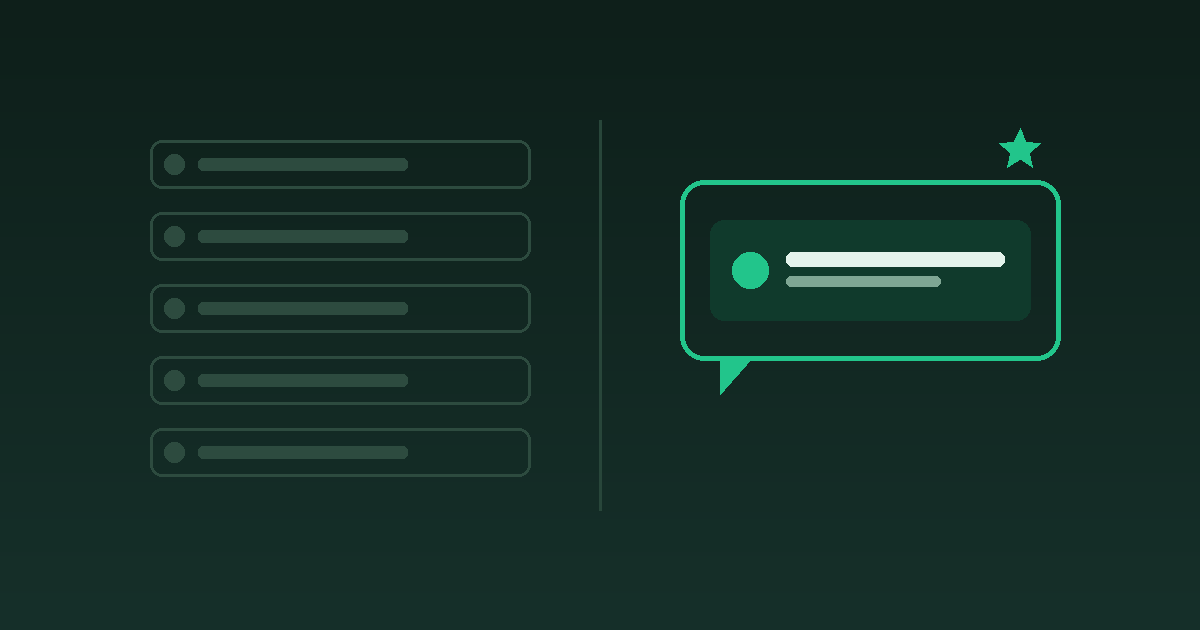
Straight answer: both, and the ratio is shifting fast. The difference matters: Google gives a list where you can rank tenth; AI gives a recommendation where you either appear or you don't exist. The good news: the signals both channels use are built on the same foundation (a legible site, consistent data, reviews, citable content), so you don't have to choose. Below: what AI looks at to recommend, and how to measure if it's already citing you.
The new behaviour looks like this: instead of searching "accountant near me" and opening five tabs, the person asks their AI "I need an accountant for my small business nearby, who do you recommend?". And the AI answers with two or three names, confidently. If your business isn't one of those names, for that customer you didn't exist. There's no page 2 in a conversation.
What changes between a list and a recommendation?
| Google (list) | AI (recommendation) | |
|---|---|---|
| Result | 10+ options, the user filters | 1 to 3 names, AI already filtered |
| How you win | Ranking: position by relevance and authority | Citation: being verifiable and citable |
| Second place | Exists and gets clicks | Rarely exists |
| Measured with | Search Console, positions, clicks | AI traffic + citation test |
The underlying logic changes: in the list you compete for attention; in the recommendation you compete for verifiable trust. AI doesn't recommend you for having the prettiest site, it recommends you because it could read who you are, confirm you exist, see that others validate you, and cite something concrete of yours.
What signals does AI use to recommend?
- Technical legibility. Content accessible without JavaScript, structured data (schema) and llms.txt. It's the entry requirement: if it can't read you, nothing else matters. The full detail is in our AEO explainer with checklist.
- Consistency across sources. AI cross-checks your site, your Google profile, directories and socials. Same name, same phone, same address everywhere = trust. Three different versions = it cites someone else.
- Third-party validation. Real, visible reviews, above all on your Google profile. For local services, a profile with good reviews weighs more than anything you write about yourself.
- Citable content. AI builds its answer from what already exists. If your site answers the customer's question head-on ("how much does X cost?", "what does Y include?") with concrete data, you give AI the exact material to cite you.
How is it measured? The two yardsticks
AI traffic: your analytics can already separate visits referred from chatgpt.com, gemini.google.com, claude.ai or perplexity.ai. It's a channel of its own, as "social" was once, and worth watching monthly even while it's small: its slope matters more than its size.
Citation test: periodically, ask the main AIs the questions your customer would ("what [your trade] do you recommend in [your city]?") and record three things: whether you appear, how they describe you, and who they cite in your place. We run this monthly for ourselves and our clients; it's the most honest snapshot of this channel, and seeing who AI cites instead of you is, incidentally, the best free competitor analysis there is.
So should I stop investing in Google?
No. Google is still the volume today: in our GeoRubber case, Google Ads generated 19 quote requests in the first month while the AI channel was only germinating. The healthy play is sequential: the paid channel brings customers today, organic matures over months, and the AI channel is built on the same technical and content foundation. One job, three channels. What isn't healthy is optimising only for yesterday's channel.
Frequently asked
Do people really ask ChatGPT who to hire? Yes, and it grows each month: AI traffic already appears as its own channel in analytics, with real visits on our sites and clients'.
What does AI look at to recommend? That it can read you, that your data is consistent across every source, real reviews, and content that already answers the customer's question.
How do I know if it's citing me? Referral traffic from AI domains in your analytics, plus a periodic citation test with your customer's questions.
Is Google still worth it? Yes: it's today's volume and the same foundation serves both channels. It isn't choosing, it's building once and appearing in both.
Where do I start if I appear in neither? A complete Google profile with reviews, a legible site (schema, llms.txt), consistent data, and a page that answers your main buying question.
The honest next step
The question is no longer whether this shift arrives, it's how ready it finds you. Book a free diagnostic: 30 minutes, your AI-legibility score and a report with your 3 priorities, whether we work together or not.
Who does AI cite when people ask about your trade?
Book a free diagnostic: 30 minutes with the founder and a report with your 3 priorities. Free and no commitment.
Book your free diagnostic